Source AC220V LED Emergency Driver for Indoor Lighting
Find and compare 30 AC220V LED emergency driver options for indoor lighting applications. These units feature rechargeable batteries, various wattage outputs, and certifications like CE and RoHS to ensure reliable performance in emergency situations; compare the available evidence and request quotations based on your requirements.
Key considerations
Products List


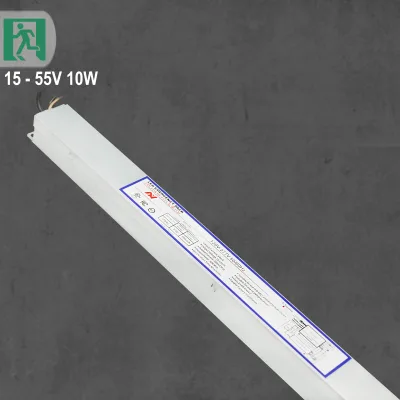
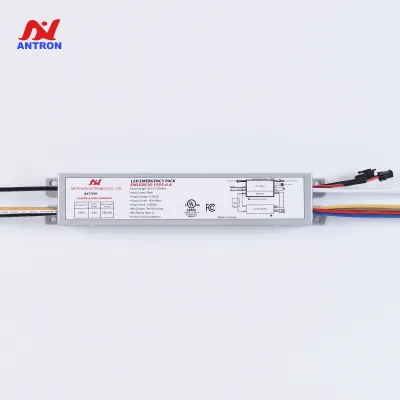
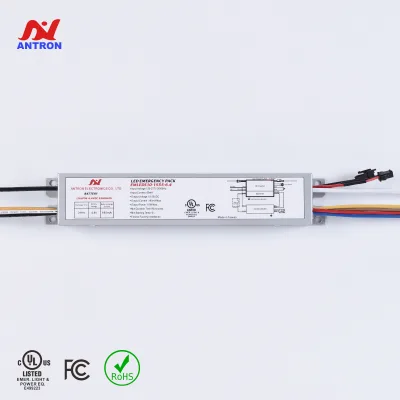
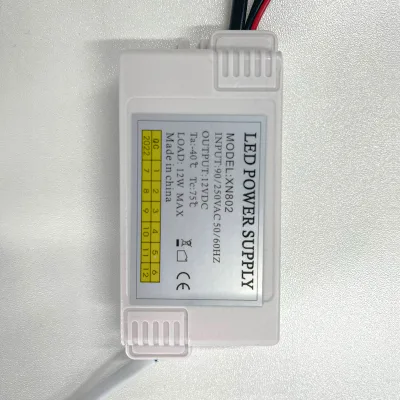

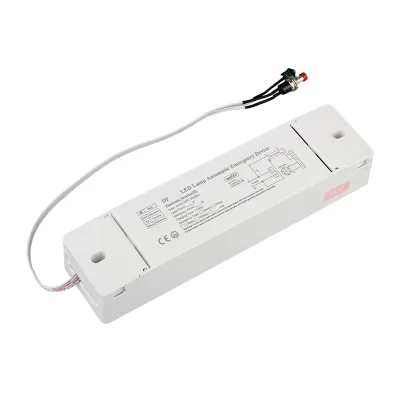
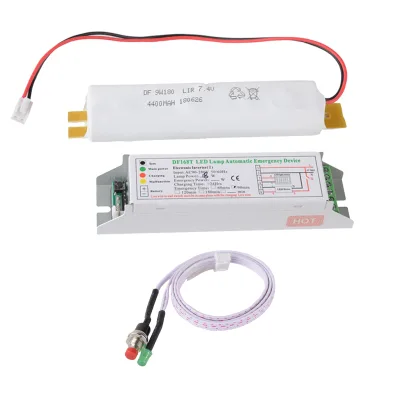
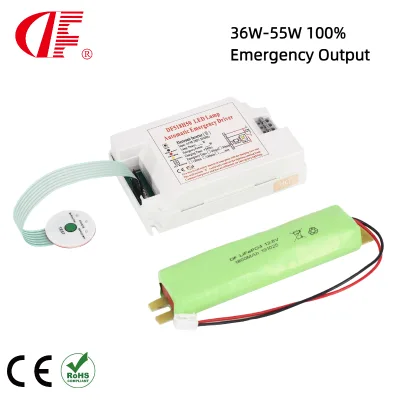
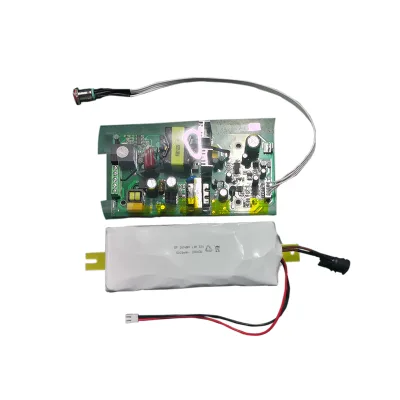
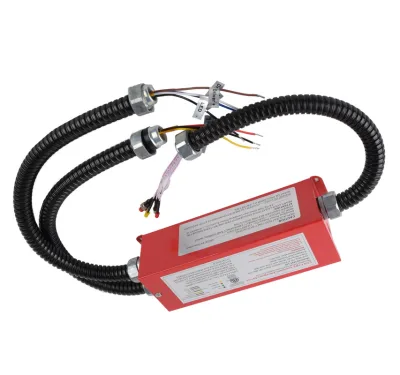


Comprehensive Sourcing Guide
ac220v led emergency driver Sourcing Guide
Procuring an ac220v led emergency driver requires careful selection based on specific voltage compatibility and battery backup capabilities. The observed market data indicates a diverse range of input voltages, including AC85-265V and specific ranges like 90-130V and 180-240VAC, which suggests that not all units universally support a strict 220V input without verification. Buyers must scrutinize the input voltage specifications to ensure the driver matches the local grid infrastructure, as mismatches can lead to immediate failure or safety hazards during installation.
The product scope extends beyond simple drivers to include integrated rechargeable emergency systems with varying battery capacities and durations. Listings reveal configurations such as Li-ion 3.7V 1200mAh batteries providing one hour of emergency time, alongside more robust 11.1V 3000mAh or 4Ah options supporting durations up to 120 minutes. This variation necessitates a clear definition of the required backup duration and power output, as some models support up to 300W while others are limited to 20W, directly influencing the suitability for different indoor lighting applications.
Product Scope and Observed Listing Signals
Buyers should analyze the physical dimensions and packaging standards to ensure logistical compatibility with their distribution channels. The observed product sizes vary significantly, ranging from compact 1232940mm units to larger 24015075mm enclosures, which impacts mounting options and space allocation in ceiling fixtures or wall surfaces. Additionally, packing standards differ between 100PCS/Carton and 10PCS/CTN configurations, requiring procurement teams to align their inventory management strategies with the specific carton quantities offered by potential suppliers.
The customization availability and feature sets observed in the market provide flexibility for tailored lighting solutions. Many suppliers offer customization options and features such as sensor support, though some models explicitly do not support dimming, which is a critical constraint for specific design requirements. The presence of services like lighting and circuitry design or onsite metering indicates that some vendors provide more than just hardware, offering integrated solutions that can simplify the engineering process for complex indoor lighting projects.
Technical Specifications to Verify
Verifying the LED light source and color temperature is essential for maintaining consistent lighting quality across emergency and normal modes. The market data highlights specific configurations like 4PCS F5 LED sources with a color temperature of 9500K, which produces a very cool, bluish-white light. Procurement teams must confirm if this specific color temperature aligns with the intended aesthetic and functional requirements of the installation site, as deviations can result in a lighting environment that feels unnatural or fails to meet specific design codes.
Battery chemistry and output current capabilities are critical parameters that determine the reliability of the emergency power system. Observed specifications include Lir 11.1V 3000mAh and Rechargeable Li-ion 11.1V 4Ah batteries, with output currents ranging from 2.5A to 4A. Buyers must ensure the output current matches the load requirements of the connected LED fixtures to prevent under-powering during an outage, while also verifying the charge time, which can extend up to 24 hours for some models, affecting how quickly the system is ready for the next emergency event.
Compliance and Safety Documentation
Navigating the certification landscape requires confirming that the specific unit holds the necessary approvals for the target market. The observed listings include a mix of certifications such as CE, FCC, RoHS, CCC, and E-mark, indicating that different models may comply with different regional standards. It is imperative to request the specific certificate for the exact model number being purchased, as the presence of one certification does not guarantee that another model from the same supplier meets the regulatory requirements for the destination country.
Safety standards regarding protection mechanisms and lifespan must be validated to ensure long-term operational integrity. Products are observed to feature protections against short circuits, overloads, and over-voltage, with some claiming a lifespan of 50,000 hours. However, buyers should verify these claims against independent test reports, as the IP rating of IP30 suggests limited protection against solid objects and water, which may be insufficient for certain indoor environments or require additional housing to meet specific safety codes.
Cost Drivers and Commercial Terms
Understanding the pricing structure and minimum order quantities is vital for budgeting and supply chain planning. The observed price range spans from 0.89 to 130 USD, reflecting the vast difference between basic driver components and fully integrated emergency systems with larger batteries and higher power outputs. The MOQ range of 1 to 1000 units further complicates cost analysis, as smaller orders may incur higher per-unit costs, while bulk purchases might require significant upfront capital investment to achieve economies of scale.
Warranty terms and origin locations significantly influence the total cost of ownership and risk profile for the buyer. While some products offer a 3-year warranty and others a 2-year warranty, the origin locations vary between general China and specific regions like Guangdong, which can impact shipping costs and lead times. Buyers should factor in the potential for longer lead times associated with specific production runs and ensure that the warranty terms clearly cover battery degradation, which is a common failure point in emergency lighting systems.
Supplier Qualification and Quality Control
Evaluating supplier capabilities involves assessing their production standards and quality control processes beyond the basic product listings. The observed data mentions standards like ISO and specific product models such as ENM-EL01-3-20W and DF168-30H, suggesting a structured product line. Procurement teams should verify if the supplier adheres to recognized manufacturing standards and if they have a track record of maintaining consistent quality across different batches, as variations in battery performance or LED output can occur without rigorous internal controls.
The availability of support services and the clarity of product documentation are key indicators of supplier reliability. Some suppliers offer comprehensive services including lighting and circuitry design, which can be a valuable asset for complex projects. However, buyers must ensure that the supplier provides clear technical documentation, including detailed wiring diagrams and maintenance guides, to facilitate smooth installation and troubleshooting. The absence of such documentation can lead to installation errors and increased maintenance costs over the product lifecycle.
Long-Term Procurement Checks
Establishing a protocol for ongoing performance monitoring is essential to maintain the reliability of the emergency lighting system. Buyers should implement regular testing schedules to verify the emergency duration and battery health, as the observed charge times and durations can degrade over time. It is crucial to track the actual performance against the claimed specifications, such as the 1-hour or 120-minute emergency times, to ensure that the system remains compliant with safety regulations throughout its operational life.
Reviewing supplier responsiveness and after-sales support is a critical step in maintaining a resilient supply chain. Given the critical nature of emergency drivers, any failure during a power outage can have severe consequences. Procurement teams should assess the supplier's ability to provide timely replacements or technical assistance in the event of a defect, ensuring that the warranty claims process is straightforward and that spare parts are readily available to minimize downtime.
FAQs
What is the input voltage range for these drivers?
The input voltage ranges from AC85-265V or AC90-280V depending on the specific model. This wide range ensures compatibility with various global power standards. It supports 50Hz and 60Hz frequencies, making it suitable for diverse electrical environments without requiring additional transformers or converters for standard operation.
How long does the emergency lighting last during a power cut?
Emergency duration typically lasts for one hour or up to 120 minutes depending on the specific model selected. Some units provide 1.5 hours of backup power. This ensures sufficient time for safe evacuation or continued operation during unexpected power outages, meeting standard safety requirements for indoor applications.
Can these drivers be customized for specific projects?
Yes, customization is available for specific project requirements. Buyers can request tailored solutions for lighting and circuitry design or onsite metering services. This flexibility allows for precise integration into various indoor LED lighting systems, ensuring the driver meets unique operational needs and spatial constraints effectively.
What certifications do these emergency drivers hold?
These drivers hold multiple certifications including CE, FCC, RoHS, CCC, and ISO. These certifications verify compliance with international safety and environmental standards. They ensure the products are safe for use in various markets and meet rigorous quality benchmarks for electronic components used in emergency lighting applications.
What is the warranty period for these products?
The warranty period is typically three years, though some models offer two years. This coverage protects against manufacturing defects and ensures reliability. Buyers benefit from long-term support and peace of mind, knowing that the high-reliability drivers are backed by a substantial warranty period for indoor LED applications.
What is the battery capacity for the rechargeable models?
Battery capacities vary, with options including 3.7V 1200mAh or 11.1V 3000mAh Li-ion batteries. Some models use 11.1V 4Ah batteries. These rechargeable batteries provide the necessary energy storage for emergency lighting, ensuring the system remains functional during power failures for the specified duration without external power sources.